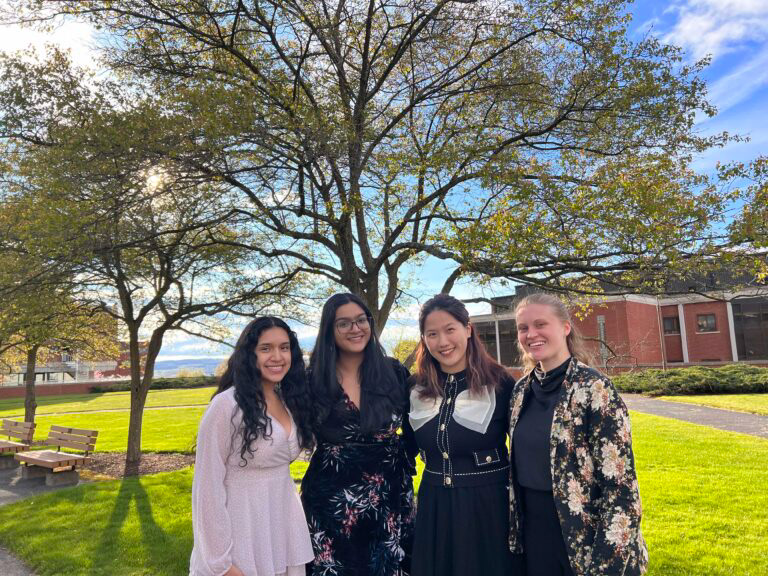
Xinyi (Dona) Qin ’26, Leila Marcillo-Gomez ‘25, Prakriti Panwar ‘26 and Vivian Rose ‘26 investigate women and homelessness in Tompkins County and learn about resources available to homeless individuals. The team speaks with a woman who was once homeless and is now working as a peer advocate to help unhoused individuals to find housing.
ROLE:
Researcher, Audio Editor, Writer, Photographer
Researcher, Audio Editor, Writer, Photographer
To view the full version, please click the link below.
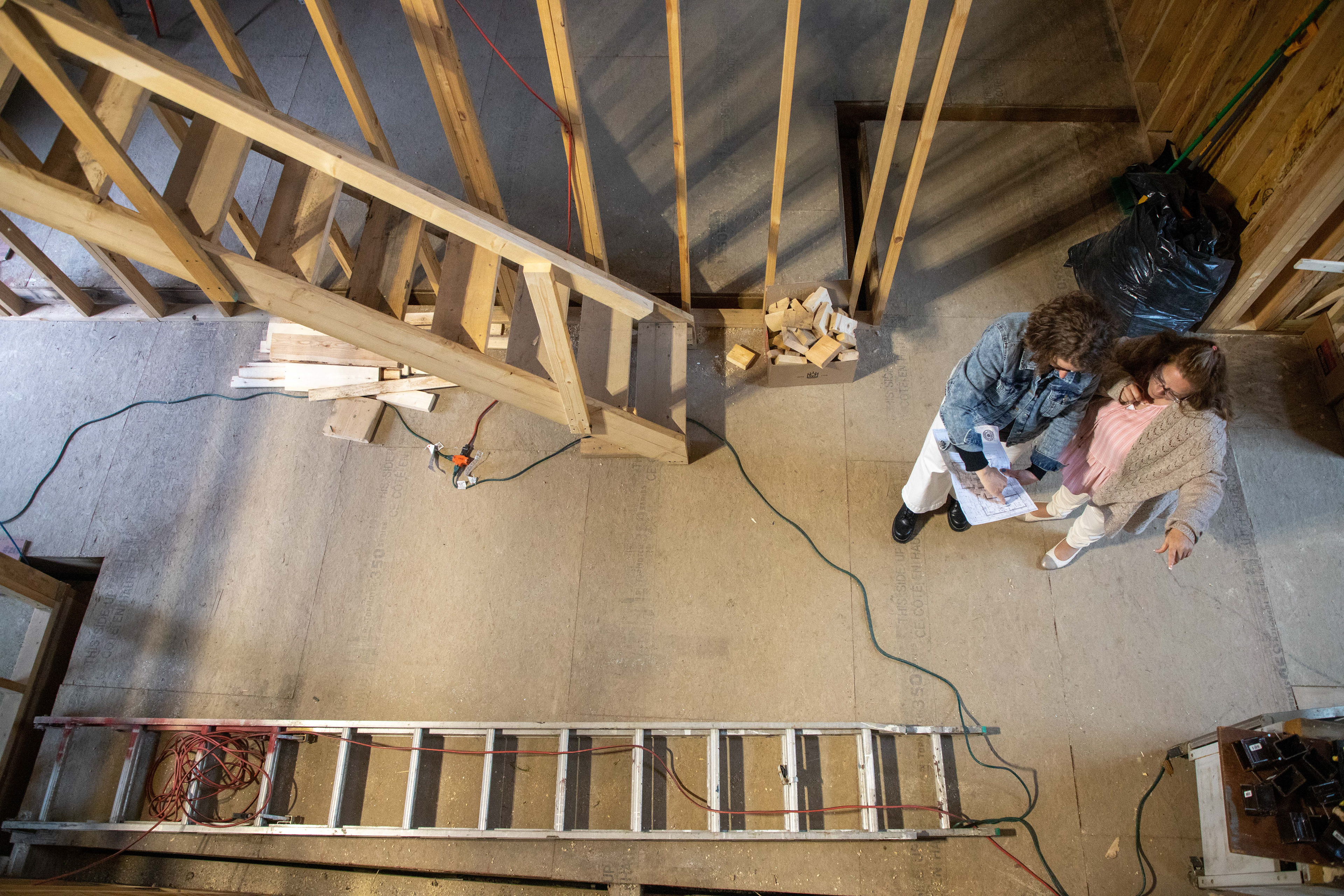
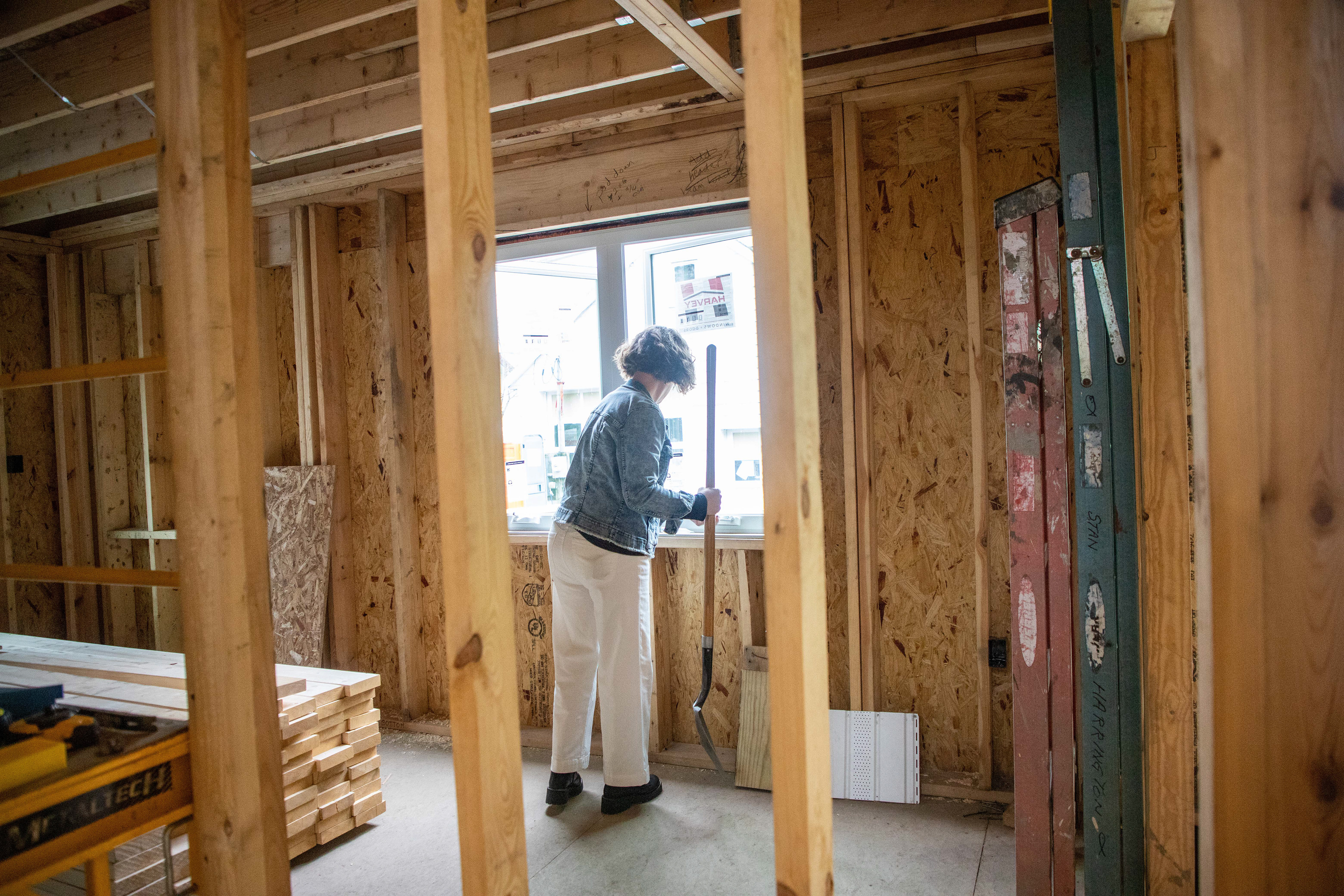
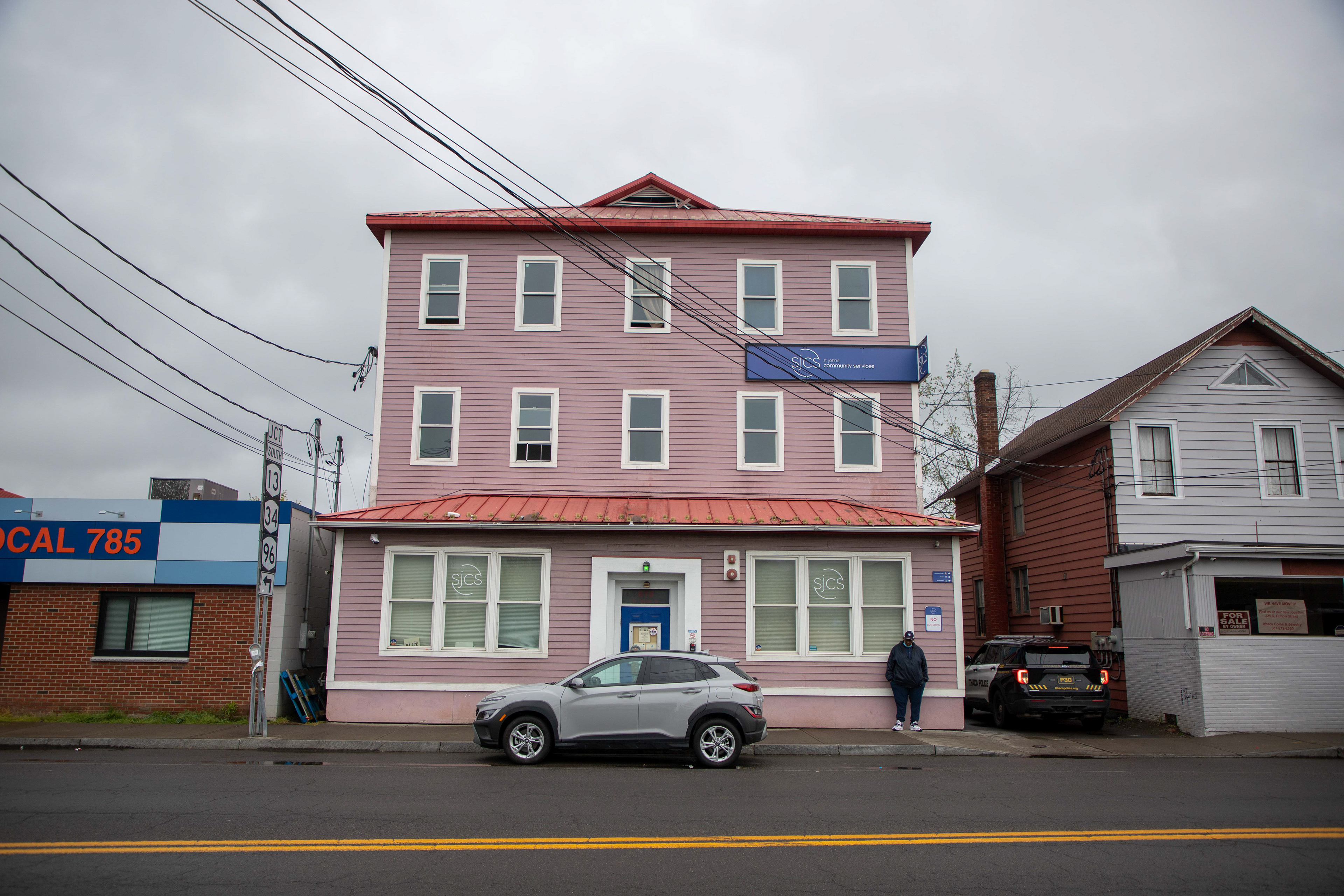
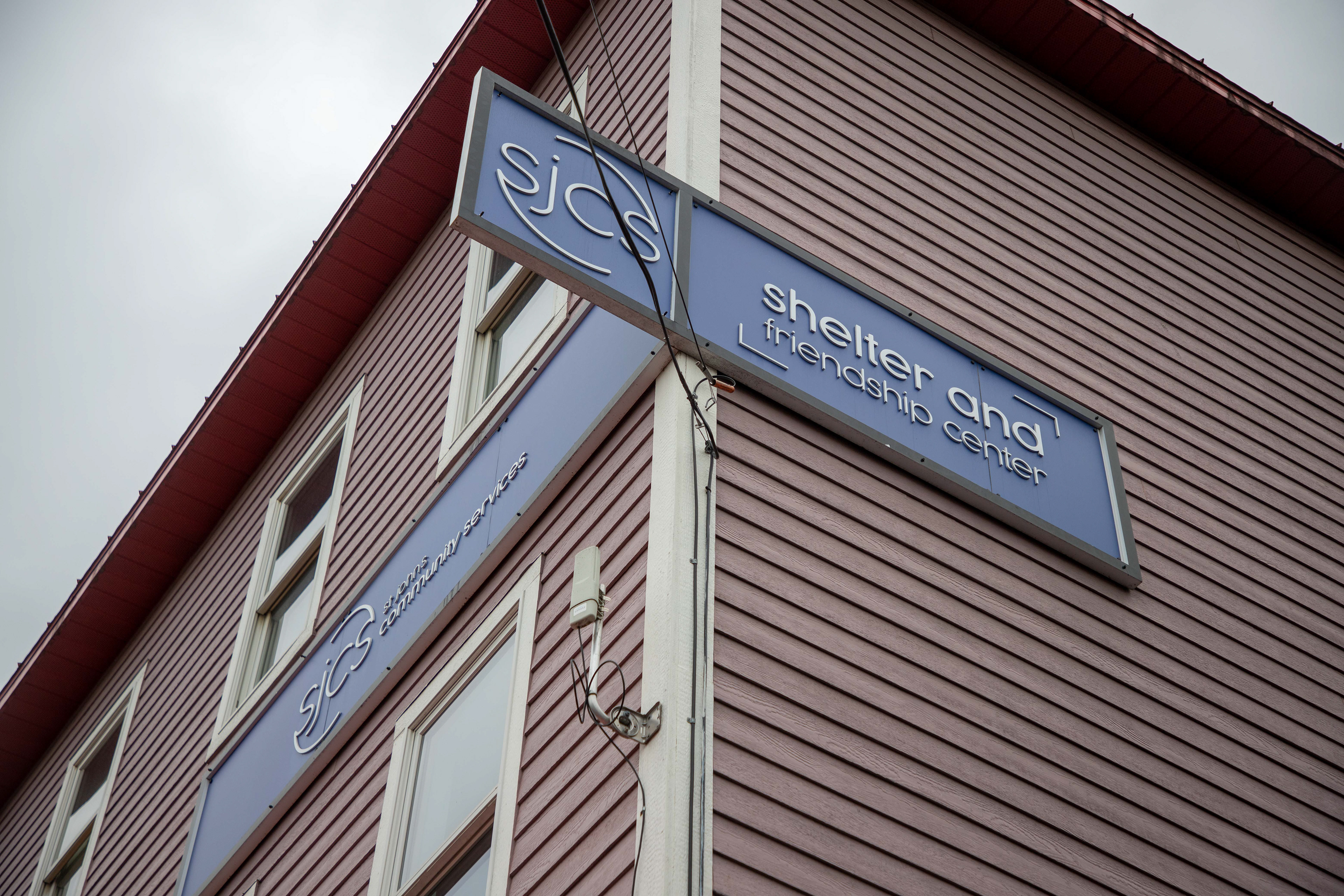
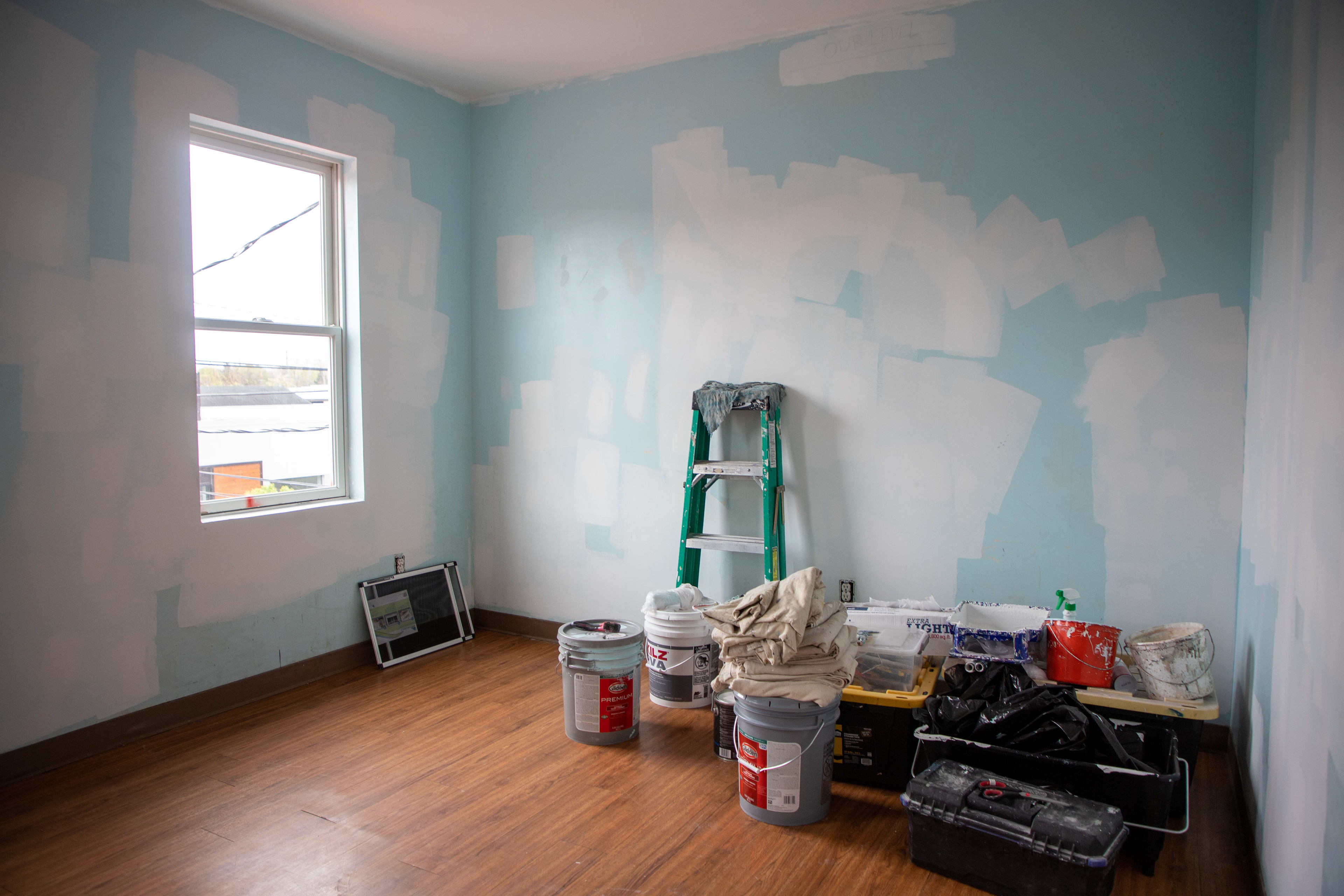
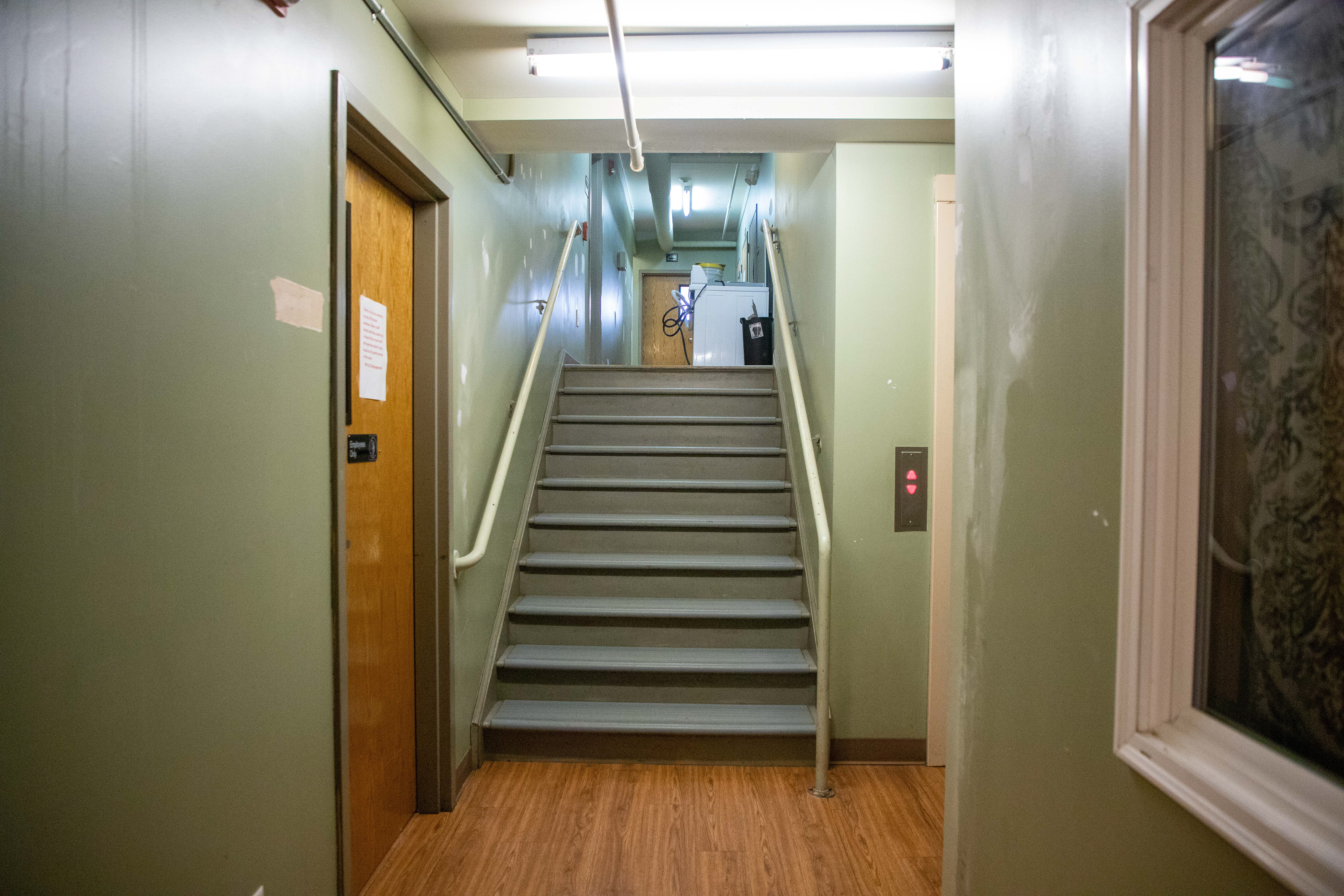
Transcript
Ithaca Unsheltered
Gendered Phenomenon
Dona: This podcast contains graphic language of mental struggles, sexual assault, substance abuse, and violence.
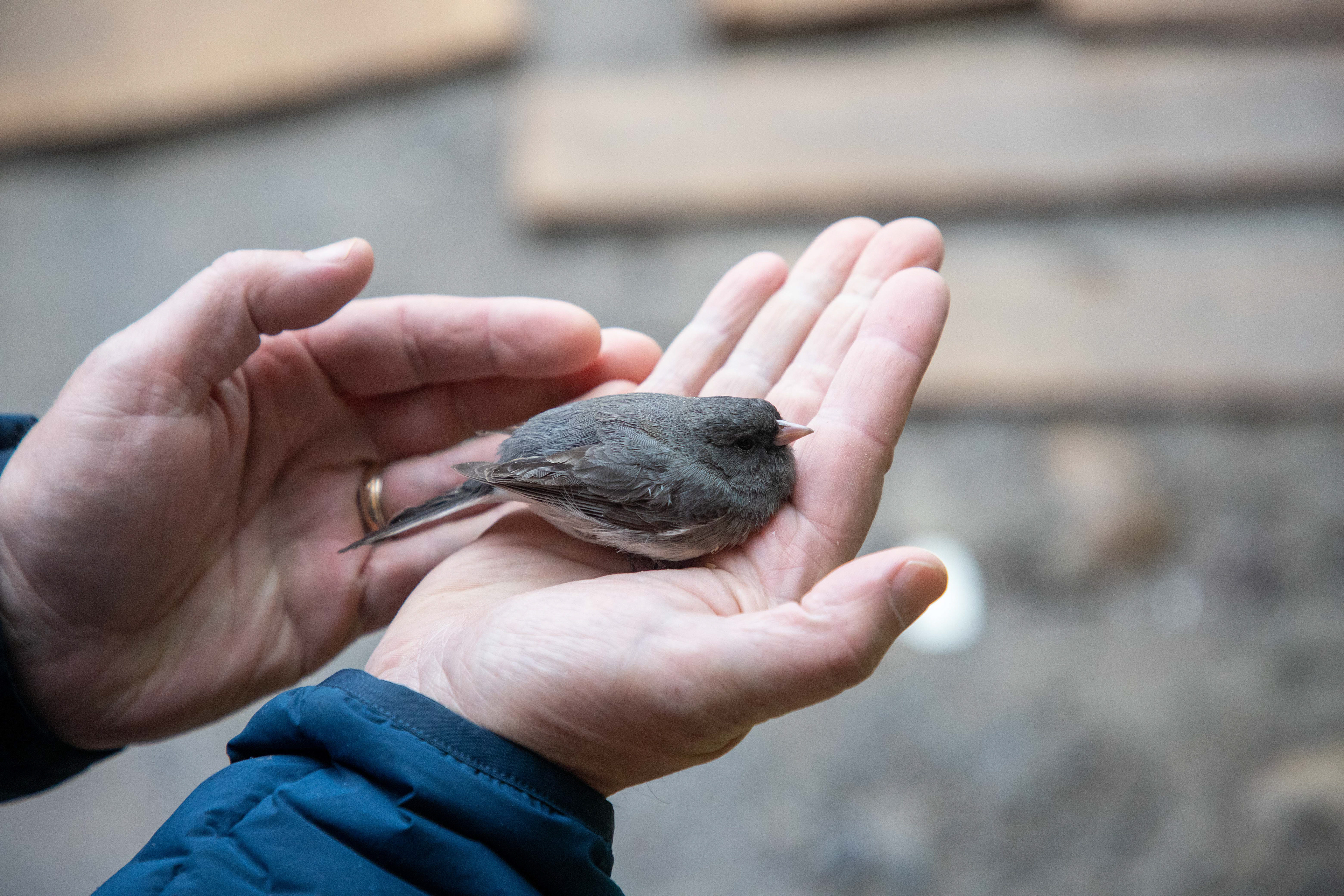
(Bird chirps, phone rings)
Mama Cas: Hello.
Leila: Hi.
Vivian: Welcome back to our special series presented by Ithaca College, investigating homelessness in Ithaca, New York.
Prakriti: Hi, I'm Prakriti Panwar.
Vivian: Hi, this is Vivian Rose.
Dona: Hi, my name is Xinyi. You can also call me Dona.
Leila: And my name is Leila Marcelo-Gomez.
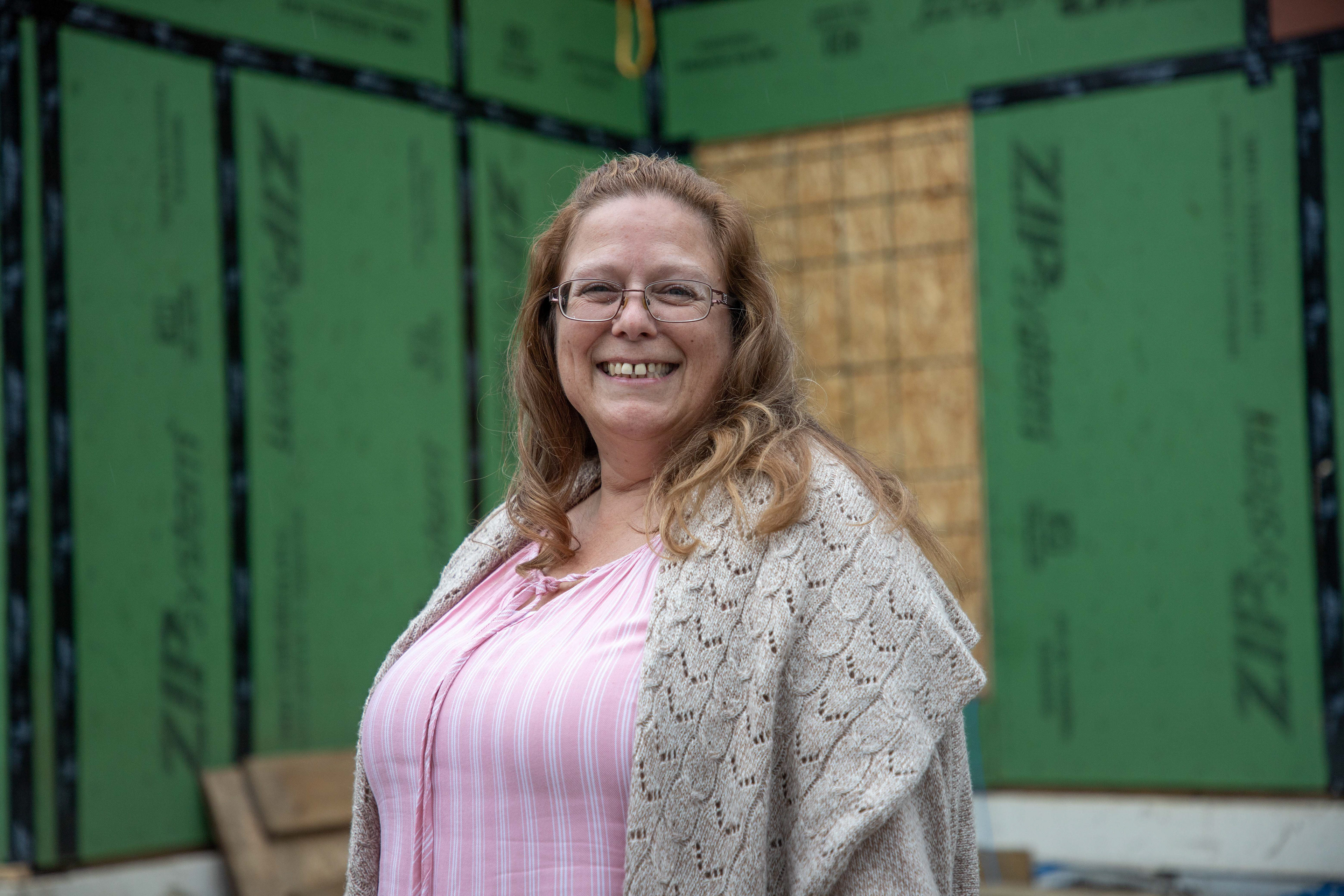
Mama Cas: Okay, so my name is Cassandra Borland. They call me Mama Cass. So I go out to the community. I meet with people where they're at. I'm a bridge to resources in working for the addiction center of Broom County. I am specifically a peer advocate.
Why is it so important for me to do this work?
Well, because I am them. Because I am them. And I was there once and someone helped me. And if they hadn't helped me, I would have died out there.
Leila: According to the Ithaca Voice, the jungle is a site in Ithaca where a group of about 50 to 70 homeless live behind a strip mall secluded in the woods. The jungle has its own way of life. It's a place for people to go when they feel lost.
Mama Cas: I was there about two and half years. My experience out there…it's really hard to put into words, so I'm not quite sure how to answer my experience out there.
It was…I'm at a loss for words. I'm at a loss for words. It was at times terrifying. It was at times desperate. It was at times hopeful. When we arrived, and I had arrived with my boyfriend at the time. When we arrived, the first night. It was like a sleet, like a mix of snow and rain. It was like four or five o’clock in the morning.
It was a Sunday morning, and I know this because the Rescue Mission wasn't open because we had knocked on their door. They wouldn't let us come in because it was closed. It was a Sunday. We walked down the train tracks, and we saw like some camps, and we found a spot out in the woods, and we put two black garbage bags over a tree limb and that's where we slept in the rain. It was cold, it was wet, it was dirty. And yea that was my first night, my first experience there.
Living out there was violent. It wasn't always the safest place to be, but when you're in those situations, you can pretend anything you want. You know. My experience out there as a woman, I had to become someone who I was not. I threatened to eat people. I threatened to do things to people that I would never do in my natural. And they believed me and it kept me safe. If they hadn't believed me, I might have been…you know…a victim of a lot of different things because those things happened quite often.
(Getting out of the car)
Vivian: Okay, here we are.
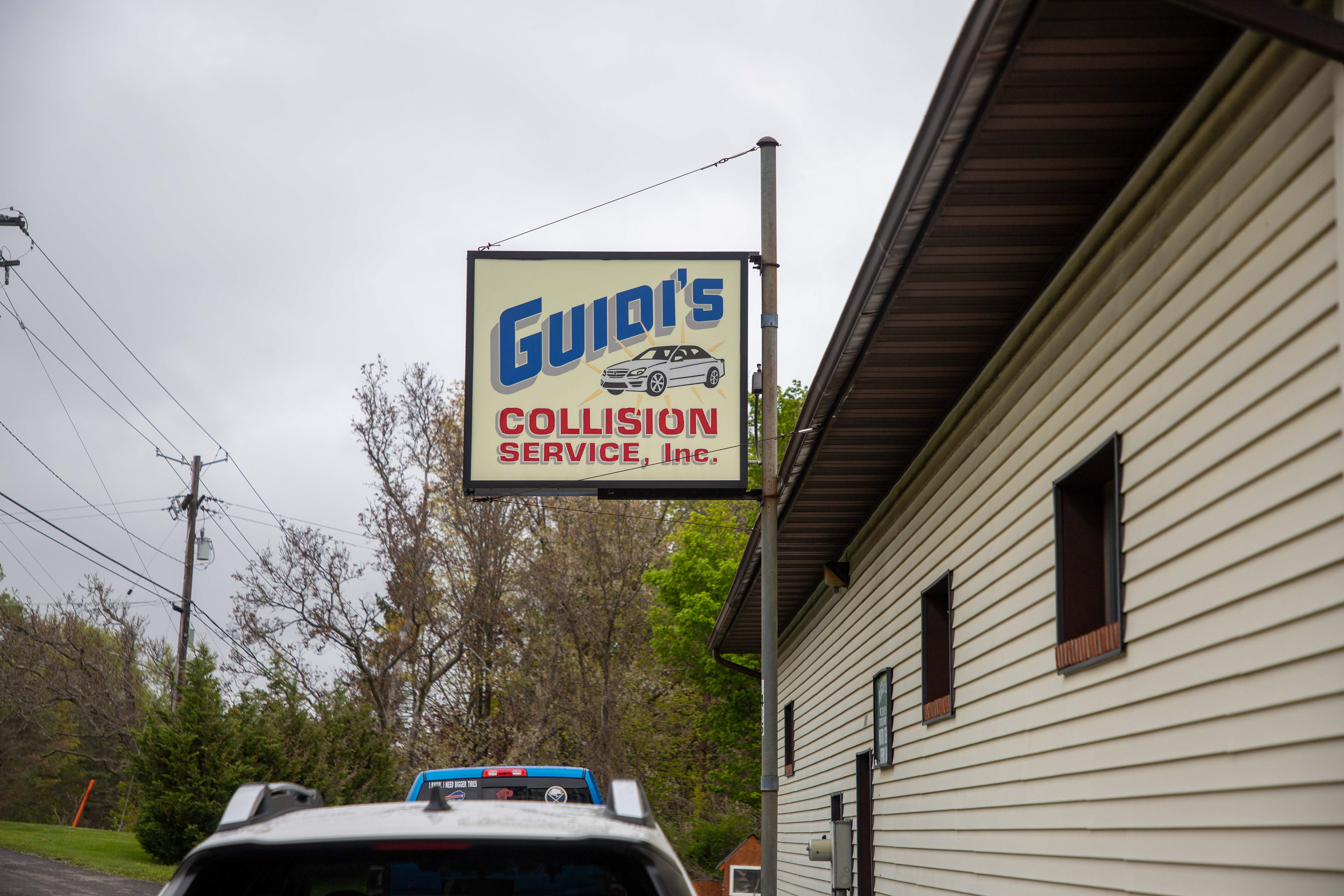
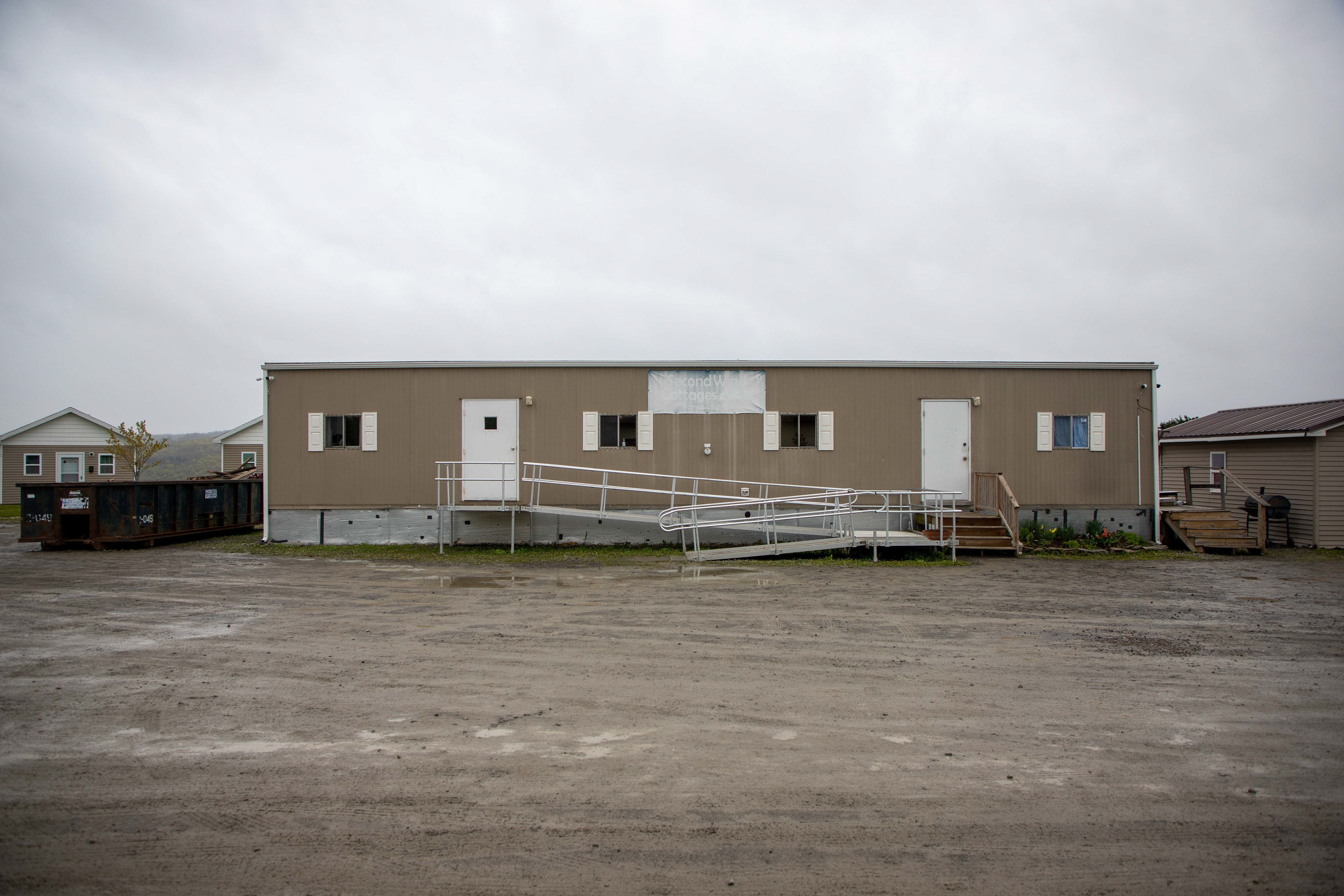
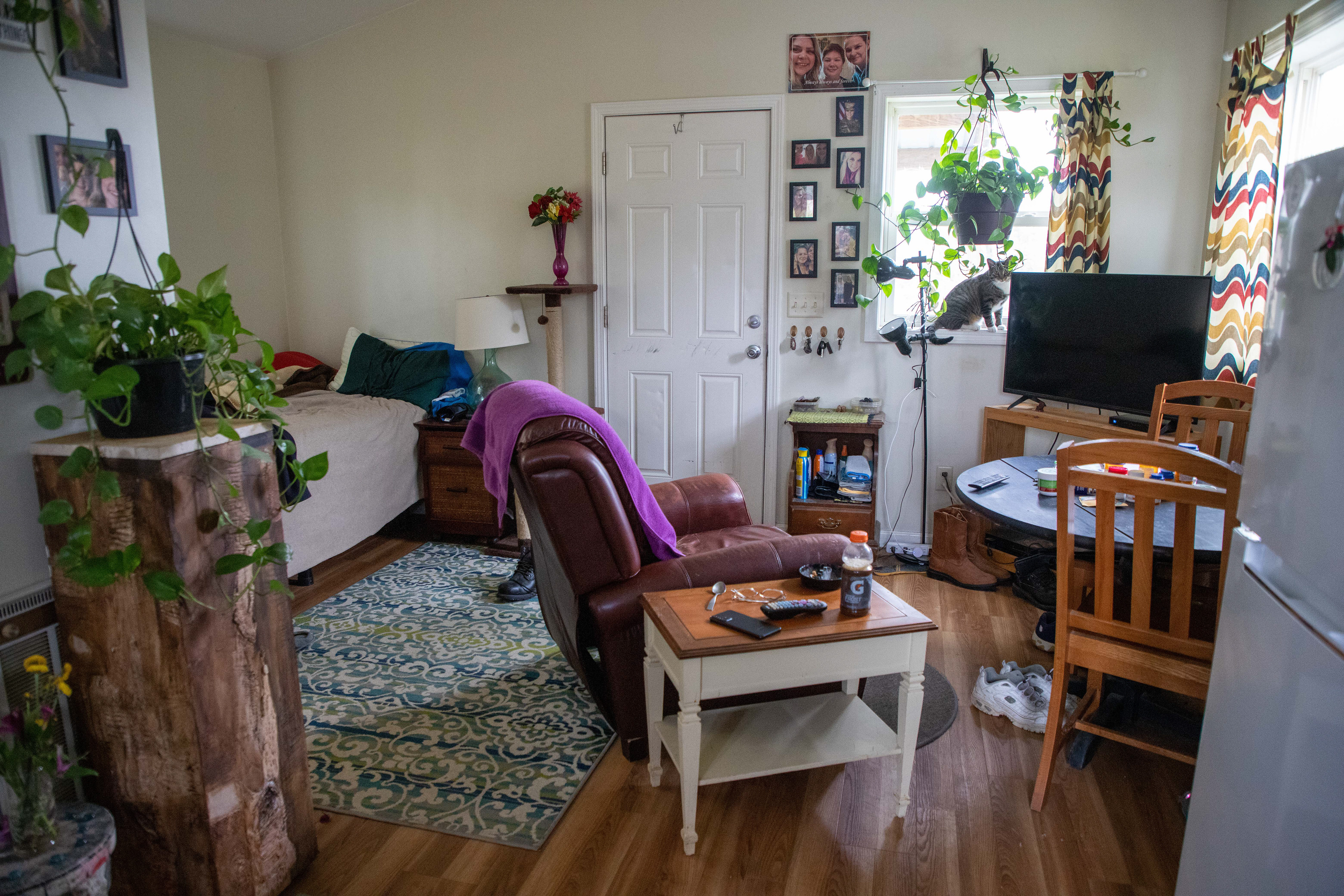
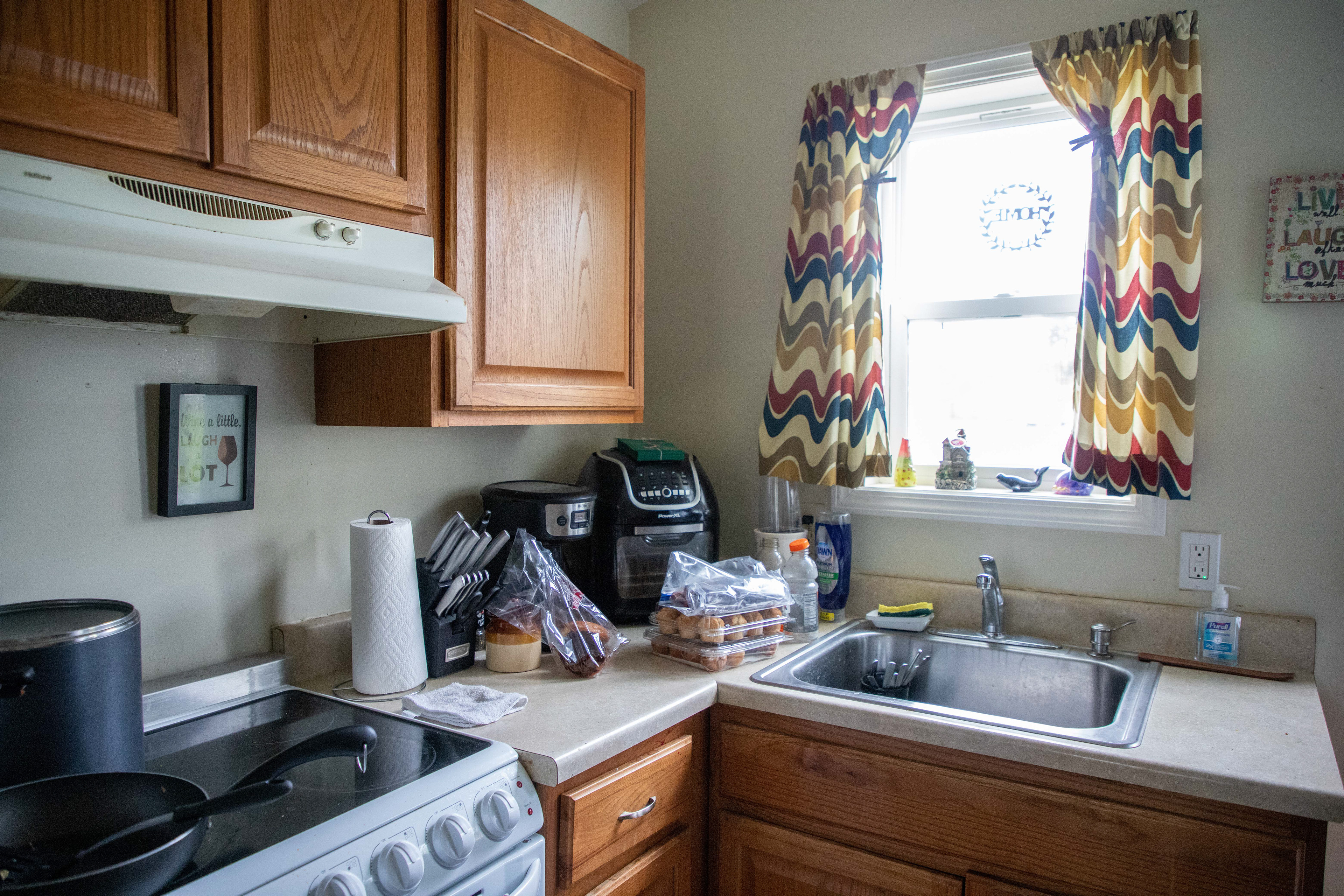
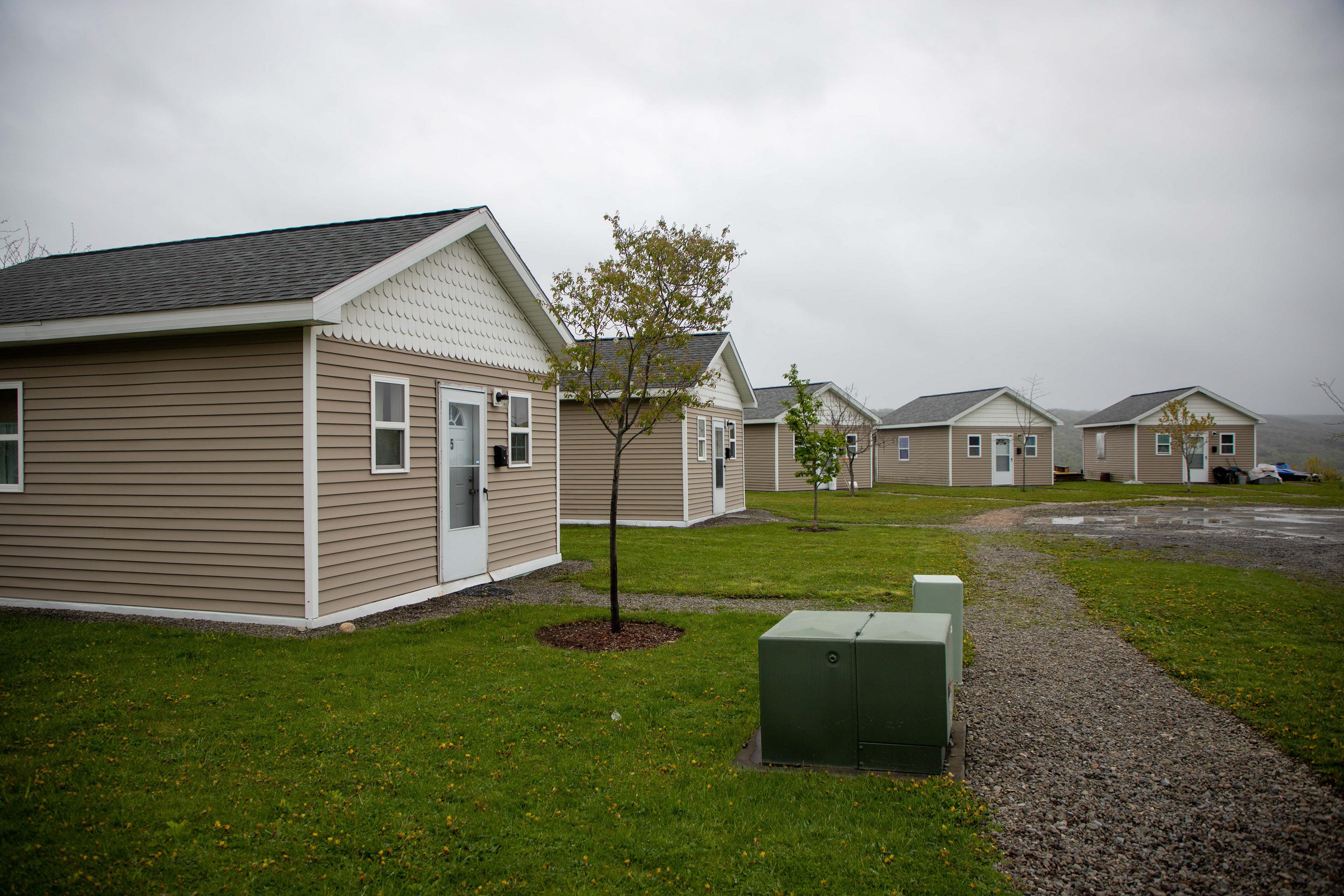
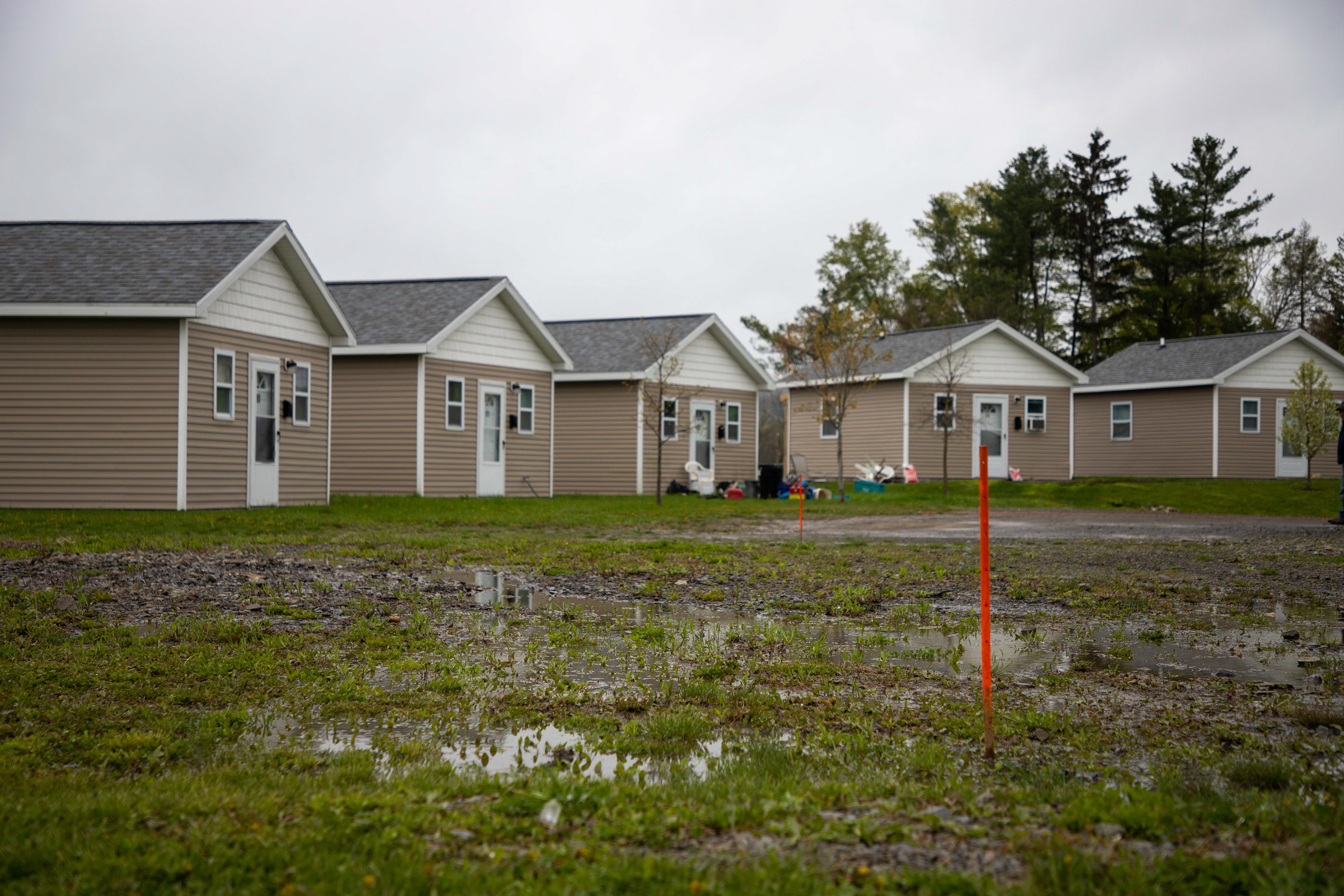
Vivian: Three weeks before spring, we walked under a cloudy sky as birds tripped in trees that lined a gravel driveway that was dotted with little cottages. The cottages, 18 in total, overlook the rolling hills of the Cayuga Inlet. In a few words, the property is simply beautiful.
Carmen: Oh, no. That's fine. You don't need to hold it. Can we…You mean is this good right here? Okay. This is all right. Okay. So, yeah.
Vivian: Carmen Guidi knows firsthand what it's like to help and live among homeless people.
Dona: He's the founder of the Second Wing Cottages. A project to house homeless single men before the moment they can get back on their feet and get themselves permanent living.
Vivian: He was never homeless himself, but he says it was a faith journey that led him to help the homeless in Ithaca. He says God worked on him, turning him from a self-centered businessman to one of the most selfless people you'll ever meet in the city of Ithaca.
Carmen: Bad stuff happens to women in in in the homeless community. Really bad stuff because of the lack of housing and they get they get trapped in relationships that are horrible, you know. I mean, we're talking about we're talking about trafficking to be very honest and blunt and, you know, downright. It it's really really ugly stuff, and people are so like well they're choosing that It's not that simple.
Vivian: What Carmen's referring to is the gap between the number of homeless men and women in the country. And this is known as the gendered phenomenon.
Prakriti: Homeless women have it rough on the streets. But being pregnant, that’s a unique experience that can change a person. Mama Cas says she’s unsure if that change is for the better. Or for the worst.
Casandra: You know, I had to do certain things that I wouldn't have necessarily done in order to make sure that she wouldn't be harmed. You know, I had to submit to certain relationships that would not have happened if I didn't feel the need to protect another human being.
Vivian: According to the data from the National Alliance to End Homelessness in 2020, the gender phenomenon is taking place across the country's homeless population.
Prakriti: What the term means is this. An overwhelming amount of men contribute to the homeless population in the United States.
Leila: Roughly 60 to 70% of homeless people in this country are men
Dona: And 29% to 38% are women.
Vivian: With these numbers in mind, women serve as the vast minority among the US's homeless population.
Prakriti: Now more than ever, homeless women need resources. Yet due to these numbers, they may not be getting everything that they need.
Mama Cas: You know, because you're already in survival mode. And now you're not only in survival mode, but you're in a defensive survival mode. Because for me anyway, I don't know about all women, but for me to know that I had a life inside of me that was growing, I had to protect that life. And so I became even more defensive than I would have been if I wasn't. And that's not to say that I didn't become feral when I lived out in the jungle because that's really what happened. I became feral. Um, the first time I was homeless, I was in Where was I? Oh my gosh.
Leila: Mama Cass has been homeless three separate times in her life, facing hardship after hardship.
Mama Cas: Upstate New York, upstate Central New York, Syracuse area.
Leila: Until this phone call, she at another moment in her life when she had been homeless.
Mama Cas: And then I was also homeless 2 years after that, so like, wow. You just reminded me of this. I was also homeless again when I was pregnant for my daughter several years later in Florida near Orlando. Interesting that I just remembered that.
So my daughter. I have a daughter and a son. They're both in their early 30s, and I have five grandchildren. My children thought that I was dead. They mourned me. They, yeah, they had mourned my death. That was…it was a heavy load for to carry for a long time that I had put my children through that.
I had been homeless before I ever had children back when I was a teenager. So I think that also plays a part in things. I feel like people that have maybe a recurring cycle of homelessness that that's a real thing. If you've ever been homeless in your past, you're more likely to become homeless again. I think it's like a vulnerability thing, right? That if it's ever happened to you, it could happen again.
I don't look at homelessness as being like lightning, right? You know how they say lightning doesn't strike twice? Well, that's not true. So I feel like people that you know, I'll just repeat it, I guess, is that people that have suffered in homelessness at one point their life are more likely to suffer homelessness again in their lives.
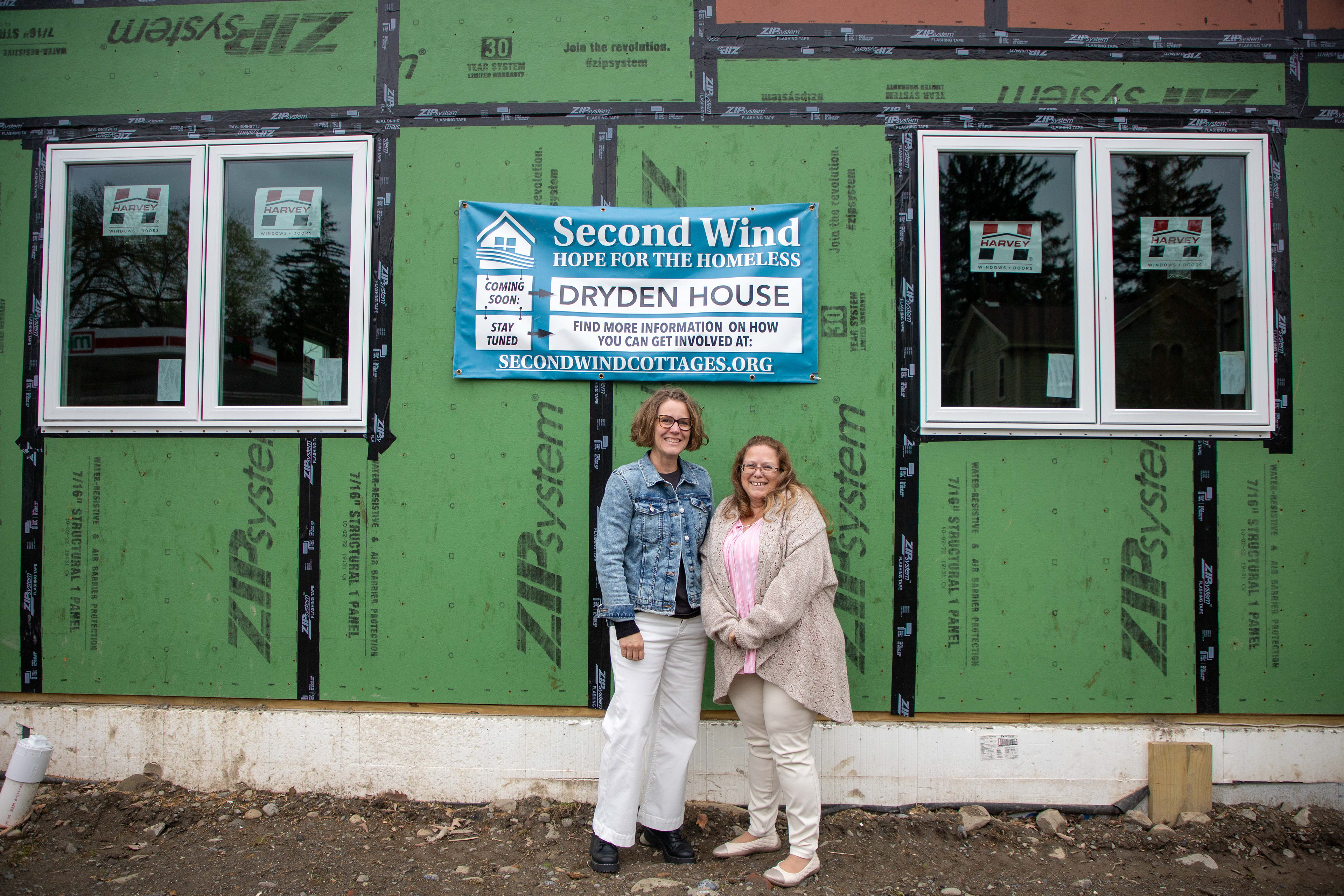
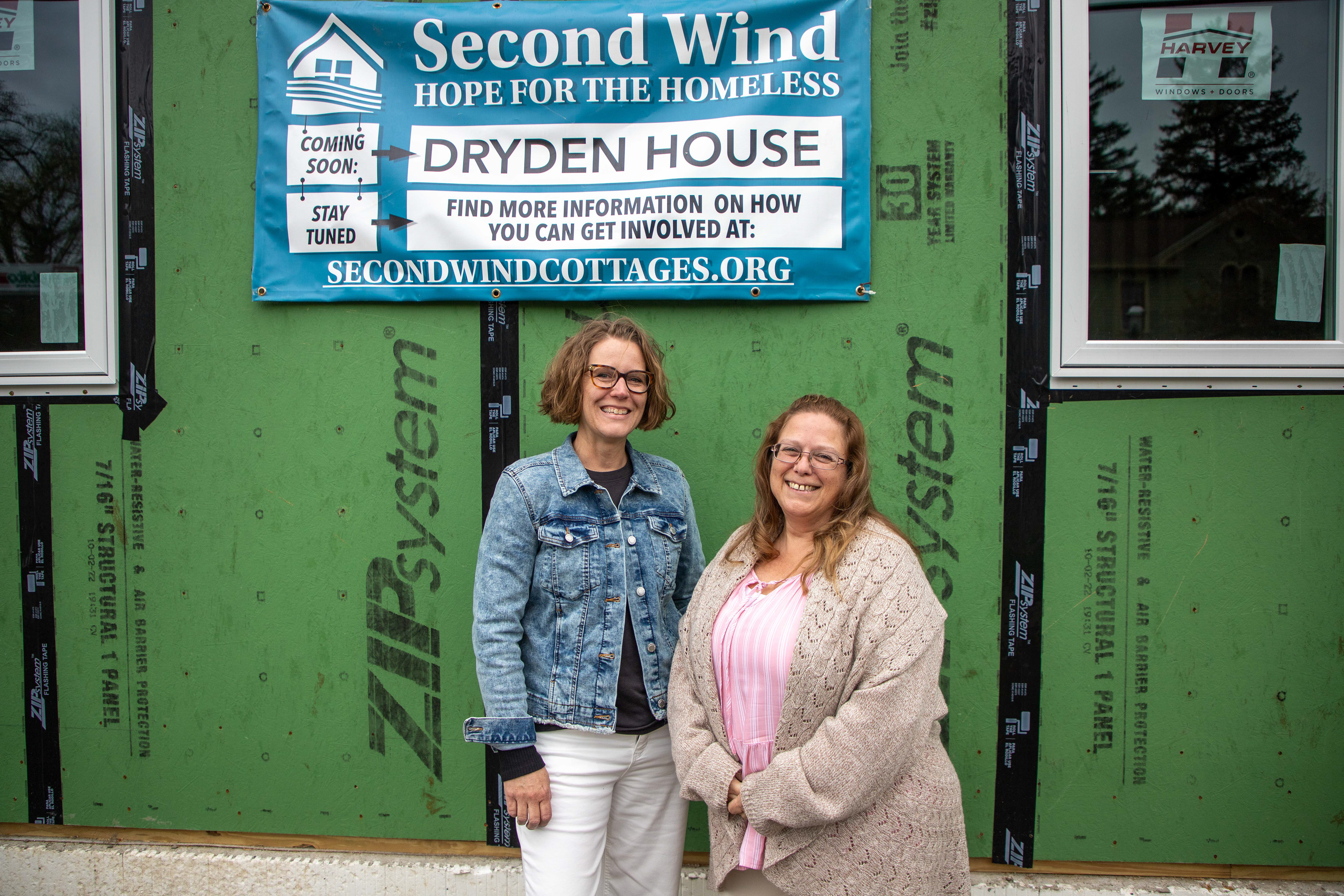
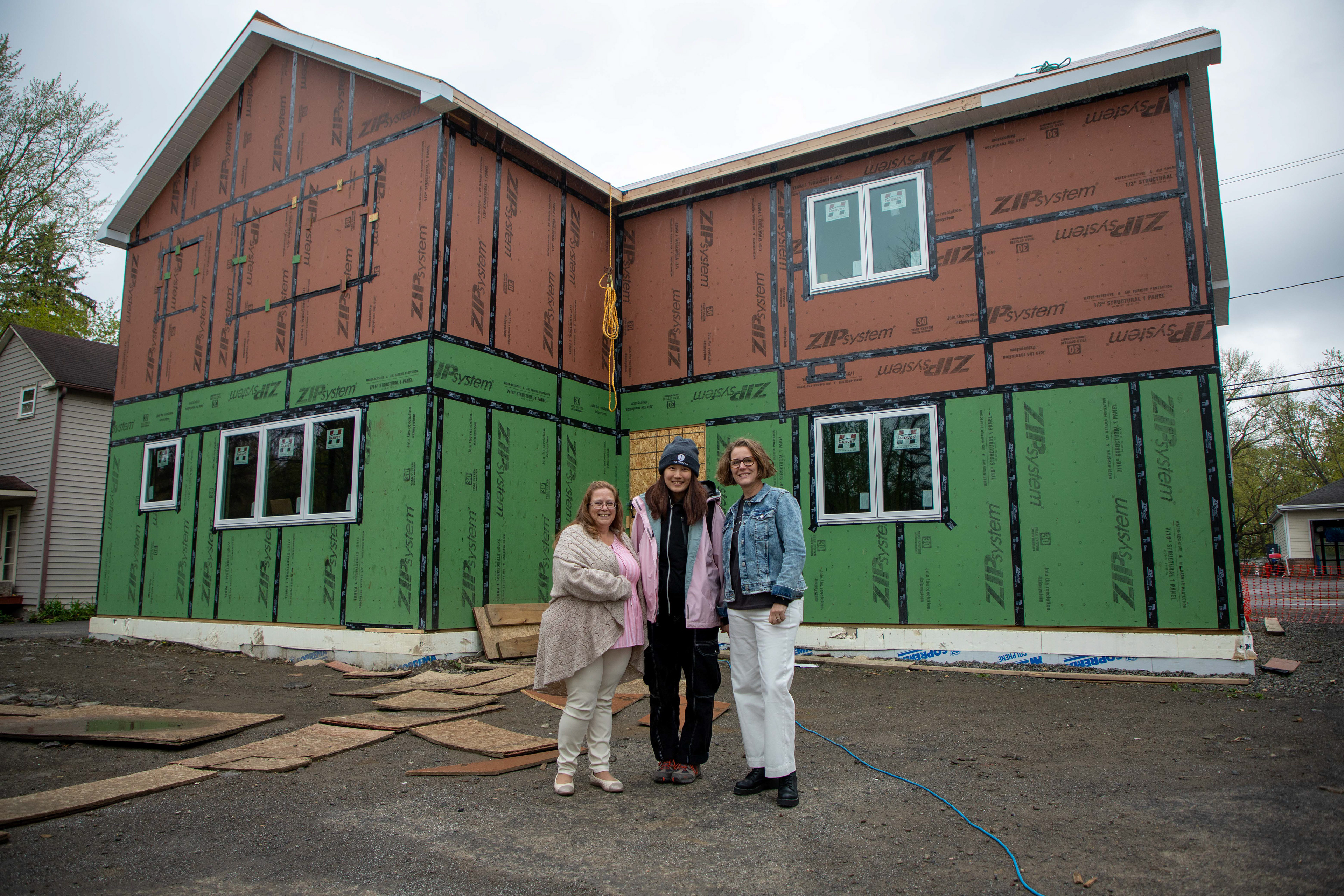
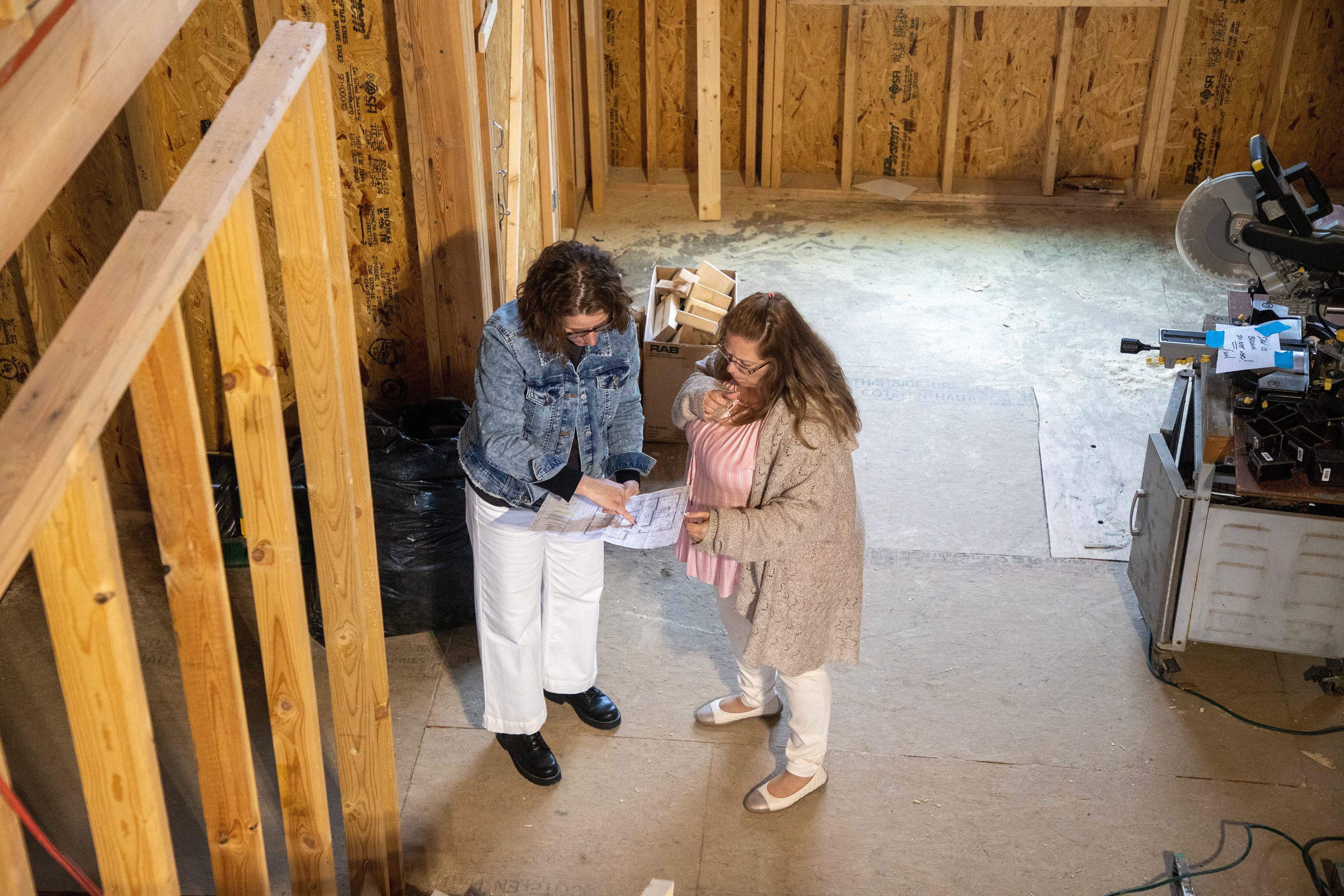
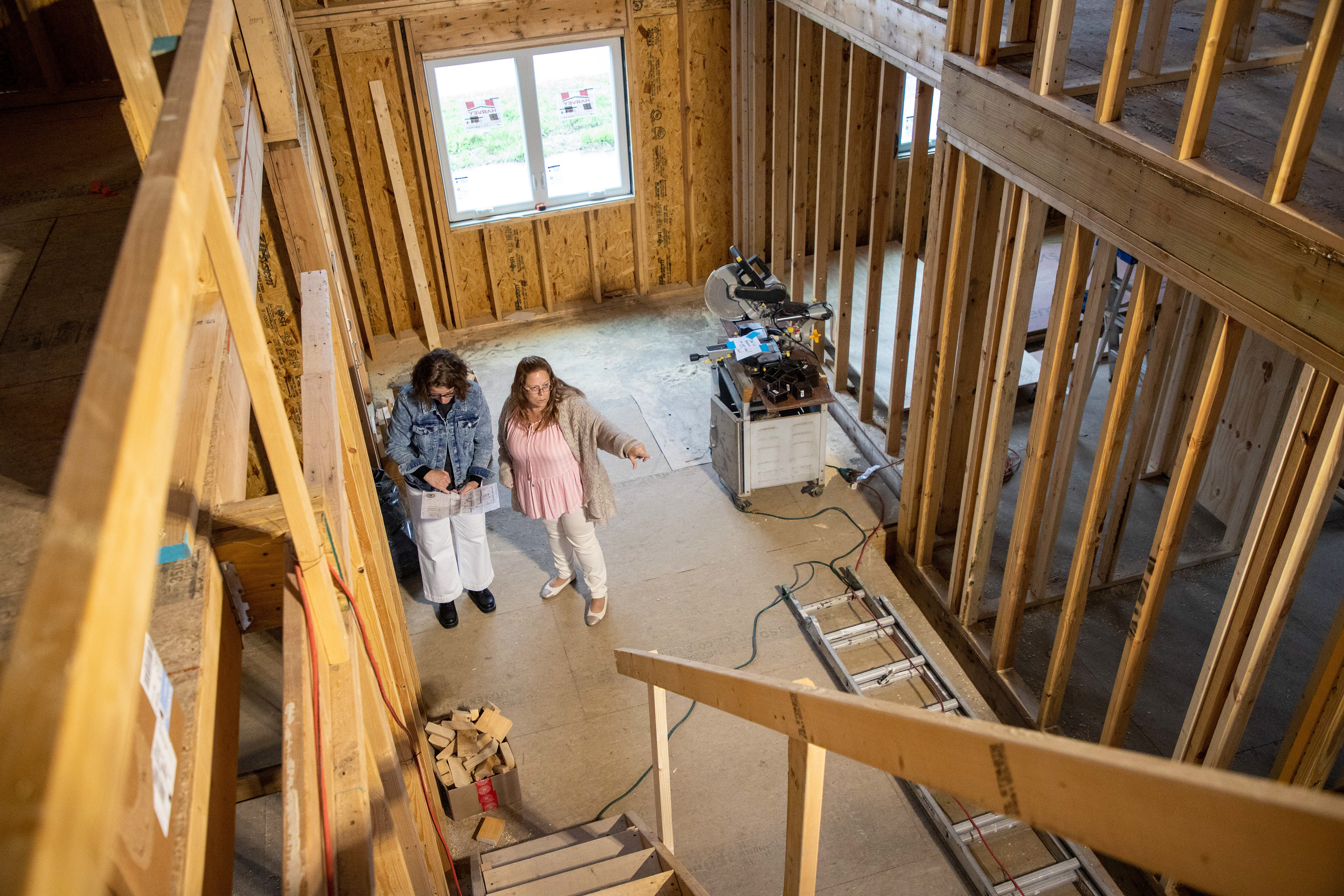
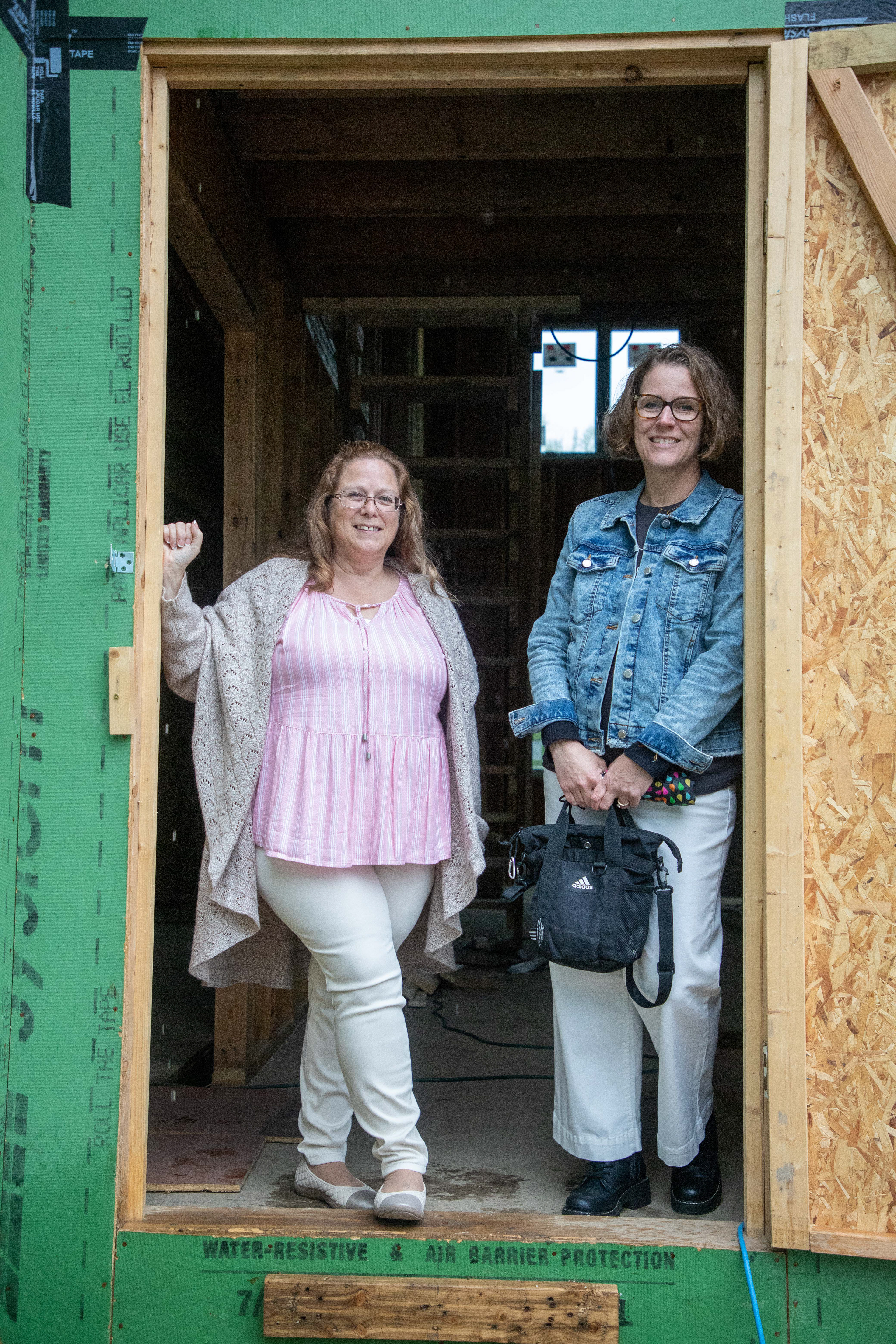
Prakriti: As part of the Second Wind Cottages, Carmen and his team are working on a way to get more women into temporary housing too. The women’s housing will be located in the town of Dryden.
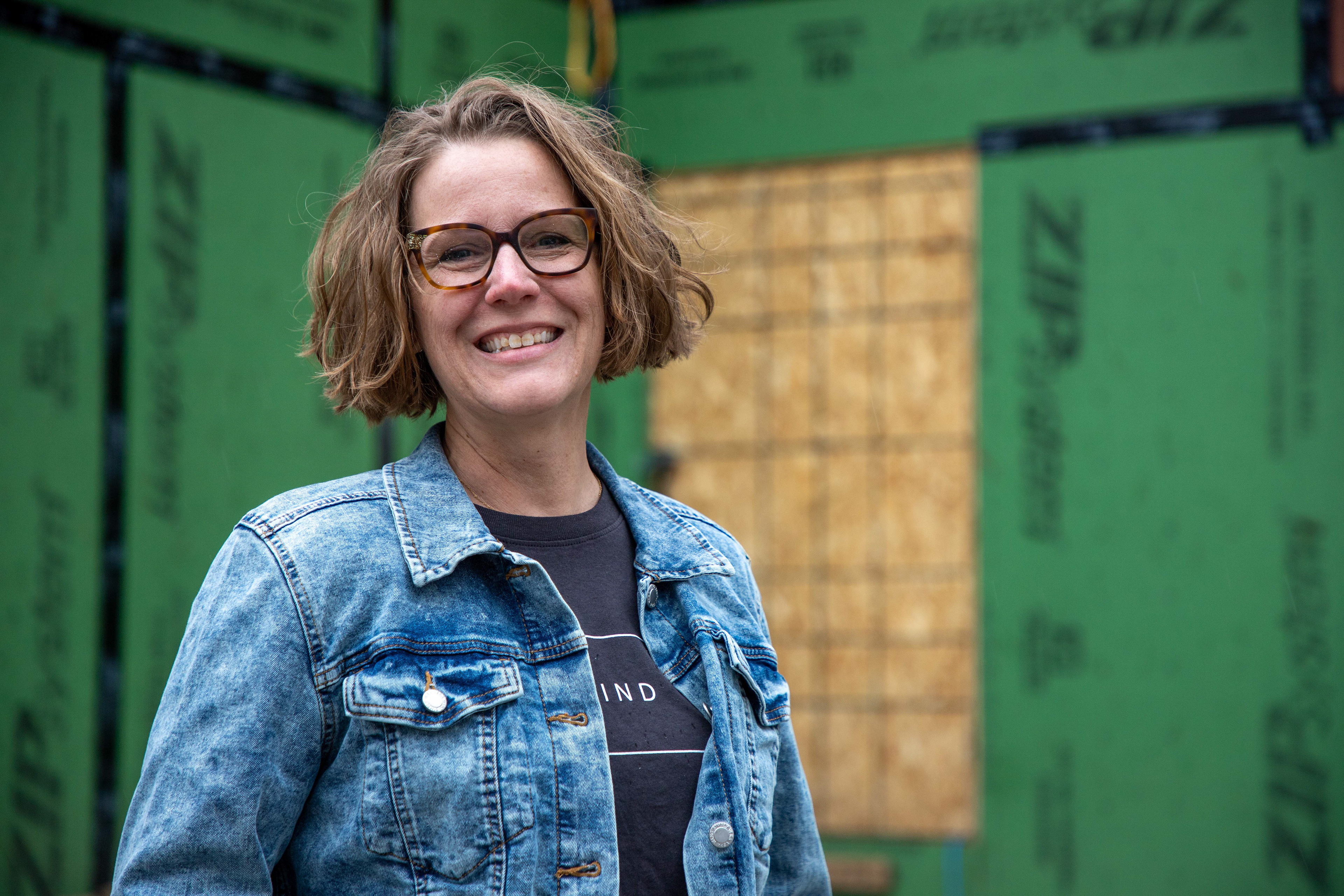
Dona: Deb Wilke is the homeless crisis alleviation coordinator at Second Wind Cottages. Deb was the person who helped Mama Cas find housing.
Deb: As time has gone on, and more and more women are outside these days as many women are homeless as men today. I don’t know the exact statistics, but what I see, it’s about equal. Our desire has always been for a place for women, so when I’m doing outreach downtown, and I’m helping people towards housing, and I’m sending people to Second Wind, what do I do for women?
So it's always been a desire. We haven't ever had the opportunity. The property is the biggest issue finding property. We'd love to build if we had more property, something similar to what the men have. But this opportunity presented itself because of a donor.
Mama Cas: I need to confess, I drive by it at least once a week, and I don't live in Dryden. Just so you know. I live about 40, 45 minutes away from Dryden, but I drive by there, just to see the progress. Just like, yeah, that's great. That’s looking great. I think it’s an amazing thing, and it’s now on time coming. And I’m really looking forward to the grand opening.
Deb: The goal is community and in transformation of their lives, supporting them to go from where they are currently into a much healthier state for them, and to give back to the community as well.
Mama Cas: I think that's like the number one thing is someplace where women can be and feel safe. And where they can feel loved and cared about and be able to be not necessarily given a handout, but a hand up, or even just someone to walk alongside them.
There's a lot of women with a lot of stories and they're all different.